

The Yucatán Peninsula has no rivers on the surface. Its water runs underground, and where the limestone has collapsed, it opens up as cenotes: freshwater sinkholes in the jungle. Add colonial towns and Mayan ruins and you have one of the best riding areas in Mexico. Here is a practical guide to the cenotes and towns that riders can reach by road and dirt track, and what to expect when you get there.
Why cenotes and Mayan towns make a great ride
Riding between cenotes is about the rhythm of the day: a hot stretch of road or jungle track, then a cold swim in clear water, then lunch in a town square. For the ancient Maya, cenotes were sacred water sources, and many towns grew up around them. That is why so many of the best stops sit close together.
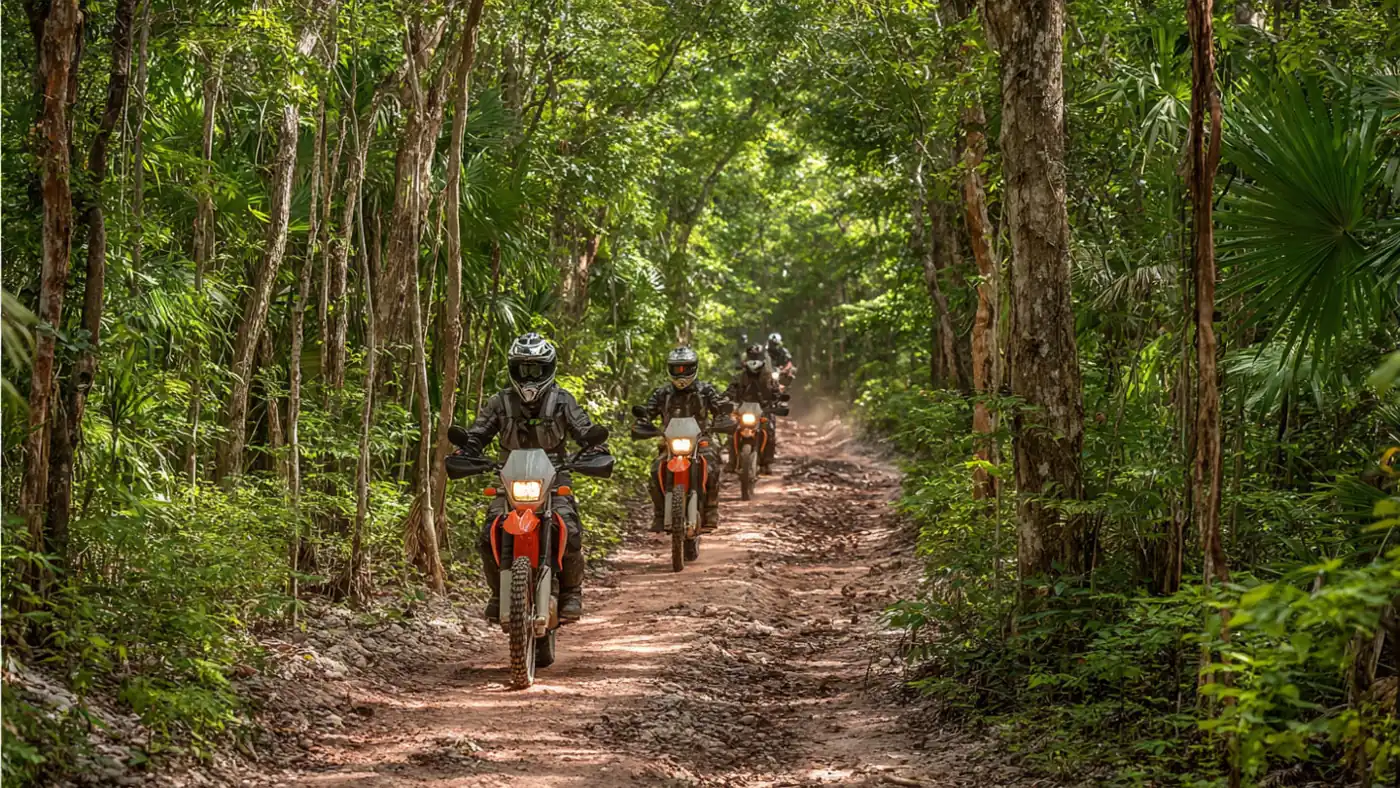
Ruta de los Cenotes: the closest cenotes to Cancún
The Ruta de los Cenotes is the road between Puerto Morelos, south of Cancún, and the village of Leona Vicario, about 35 km inland. Dozens of cenotes sit along it or just off it. Las Mojarras, Siete Bocas, Boca del Puma and Verde Lucero are close to the main road. A dirt side road leads to another group: Zapote, La Noria and Kin Ha. Several parks also offer ziplines and jungle trails. The main road is paved; the side roads are dirt and sand, which is where a dirt bike feels at home.
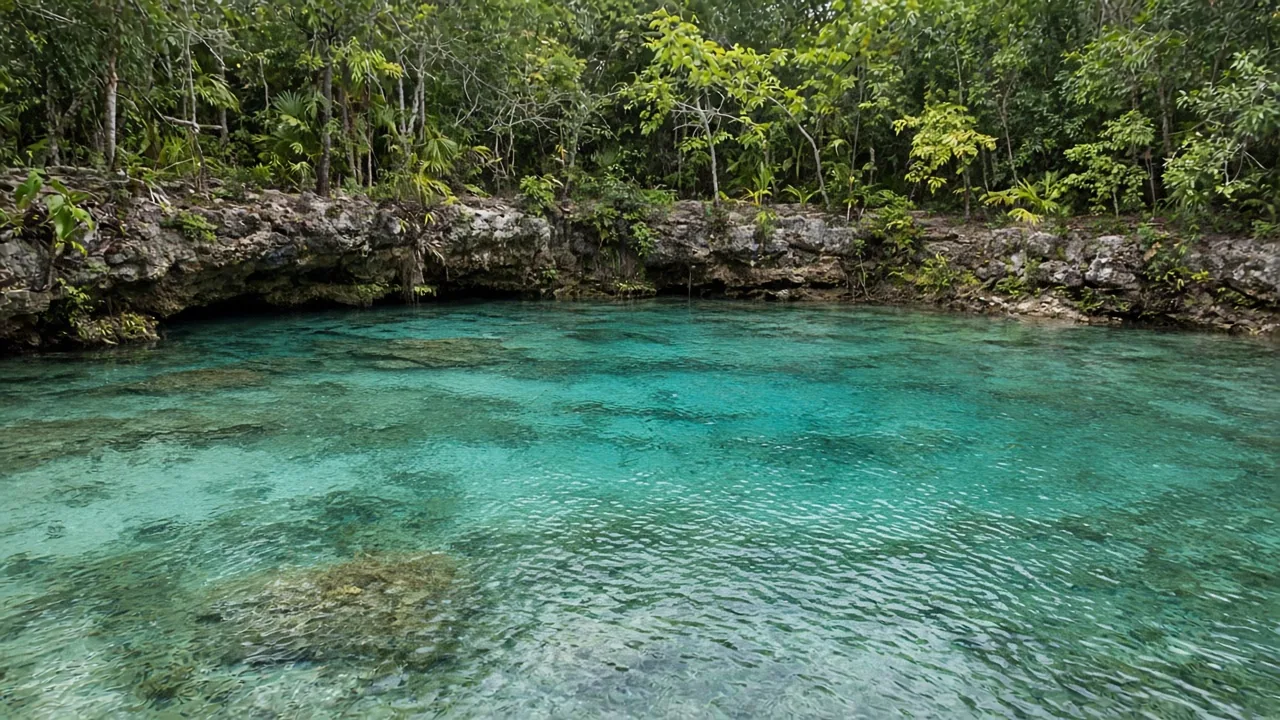
Cenotes around Tulum and the road to Cobá
From Tulum, Highway 109 heads inland toward Cobá. Gran Cenote, part of the Sac Actun cave system, is about 5 km from downtown Tulum on that road, with clear water and walkways between caverns. It is one of the most popular and most expensive cenotes in the area, so arrive early.
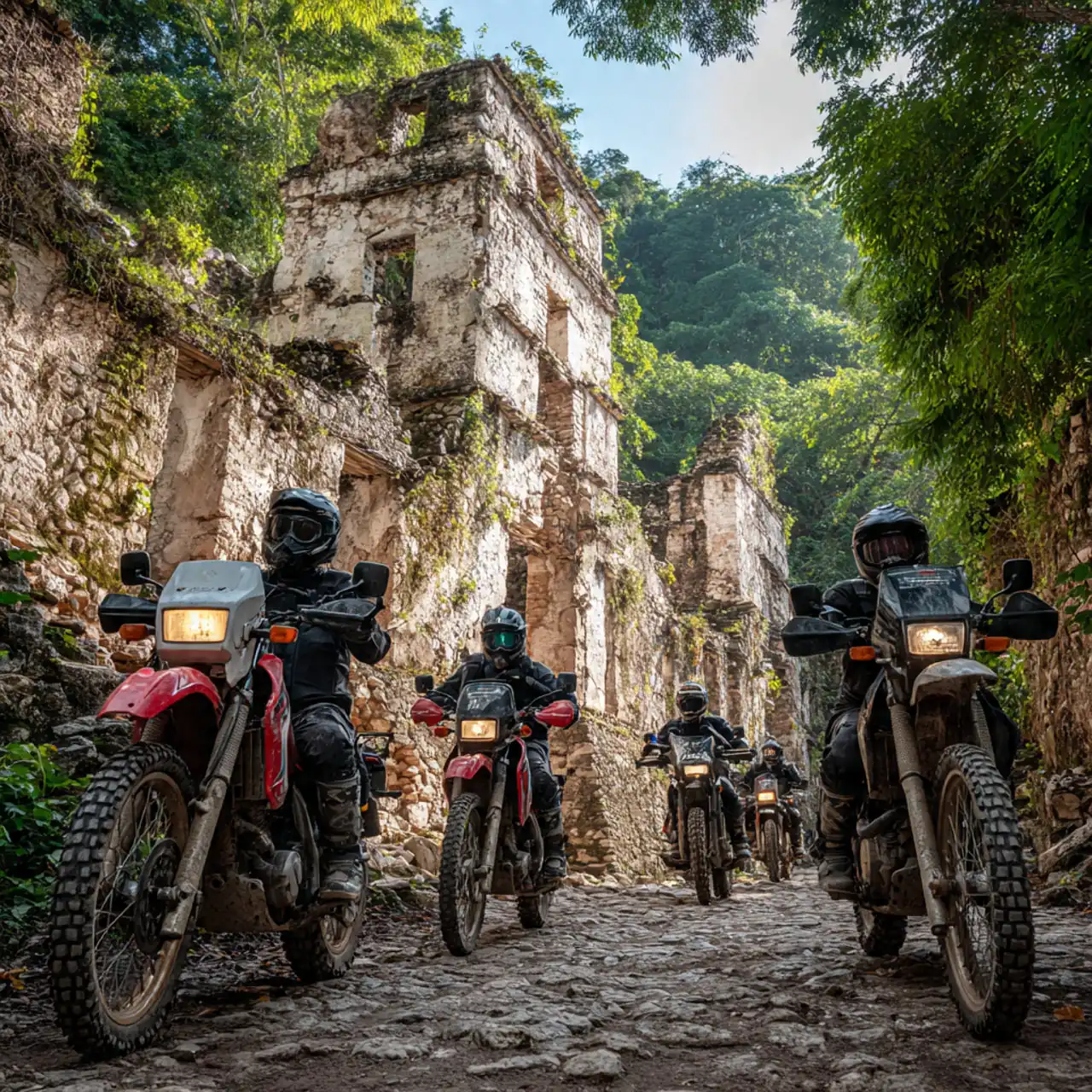
Cobá is roughly 45 km further on. Its ruins are spread through the forest, and the paths between temple groups are long enough that visitors rent bicycles at the entrance. The main pyramid, Nohoch Mul, is 42 m tall. INAH reopened its climb in December 2025 on a protective wooden stairway, with time limits and closed-toe shoes required.
Valladolid: a cenote in the middle of town
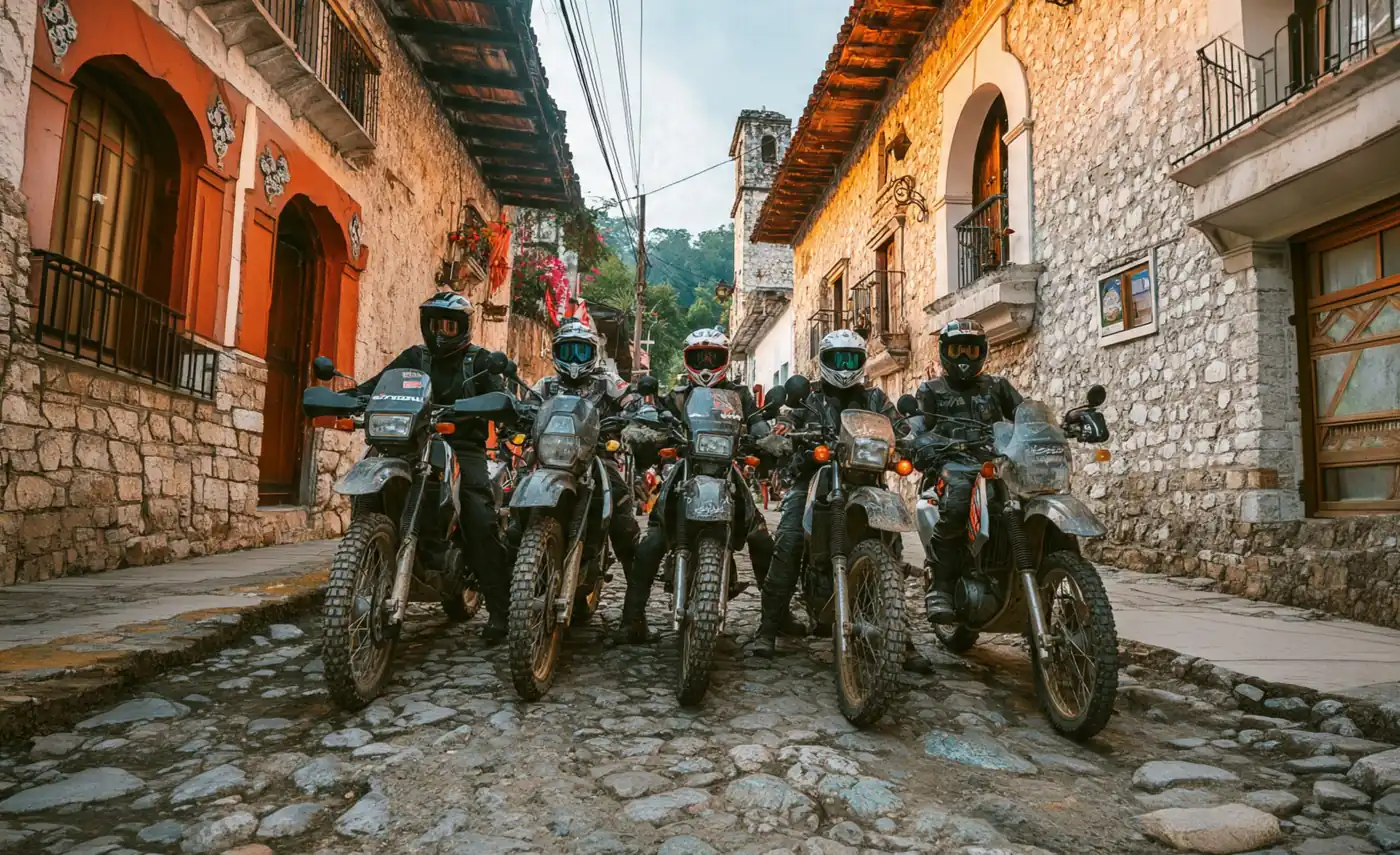
Valladolid, in Yucatán state, is a colonial town and a Pueblo Mágico. Cenote Zací sits just a few blocks from the main square: a semi-open cavern with stalactites and deep blue-green water, and it was once the town's water source. Valladolid is also a common base for cenotes in the surrounding countryside and for visits to Chichén Itzá.
Bacalar: the lagoon of seven colors
Far south near the Belize border, Bacalar sits on a long freshwater lagoon known for its shades of blue. Cenote Azul, a few minutes south of town off Highway 307, is one of the deepest open cenotes in the region, over 90 m deep. Bacalar is also the first stop of our Extreme Maya Jungle tour, which leaves Cancún and reaches Bacalar and Chetumal on day one.
What to expect on the road
- Heat and humidity: the peninsula is flat and hot. Start early and plan swims for midday.
- Sand and limestone: dirt tracks mix loose sand with exposed limestone that gets slippery when wet.
- Topes: speed bumps are everywhere entering towns, often unpainted. Watch for the signs.
- Entry fees: most cenotes are privately or community-run and charge an entry fee, paid in cash at many of them. Fees vary widely and change often.
- Cenote rules: most require a shower before you swim, and many ban sunscreen and insect repellent in the water, even biodegradable kinds. Bring swimwear and a towel; some sites restrict cameras or drones.
Tips for riders
- Carry cash in pesos for entry fees, lockers and snacks.
- Wear swimwear under your gear to save time at stops.
- Cool down before you jump in: cenote water is cold after hours in the sun.
- Keep sunscreen and repellent for after the swim.
- Don't leave helmets and jackets unattended. Use lockers where available.
- Drink water at every stop, not only when you are thirsty.
Ride the Riviera Maya with Moto Tours Mexico
Want to explore the jungle and the Mayan Caribbean on two wheels? Try a day of sand and palms on the Isla Blanca Extreme, five days in the Riviera Maya on the Maya Tour, or go deep into the jungle on the seven-day Extreme Maya Jungle. See our tours and pick your ride.
Our motorcycle tours
 Five days
Maya Tour
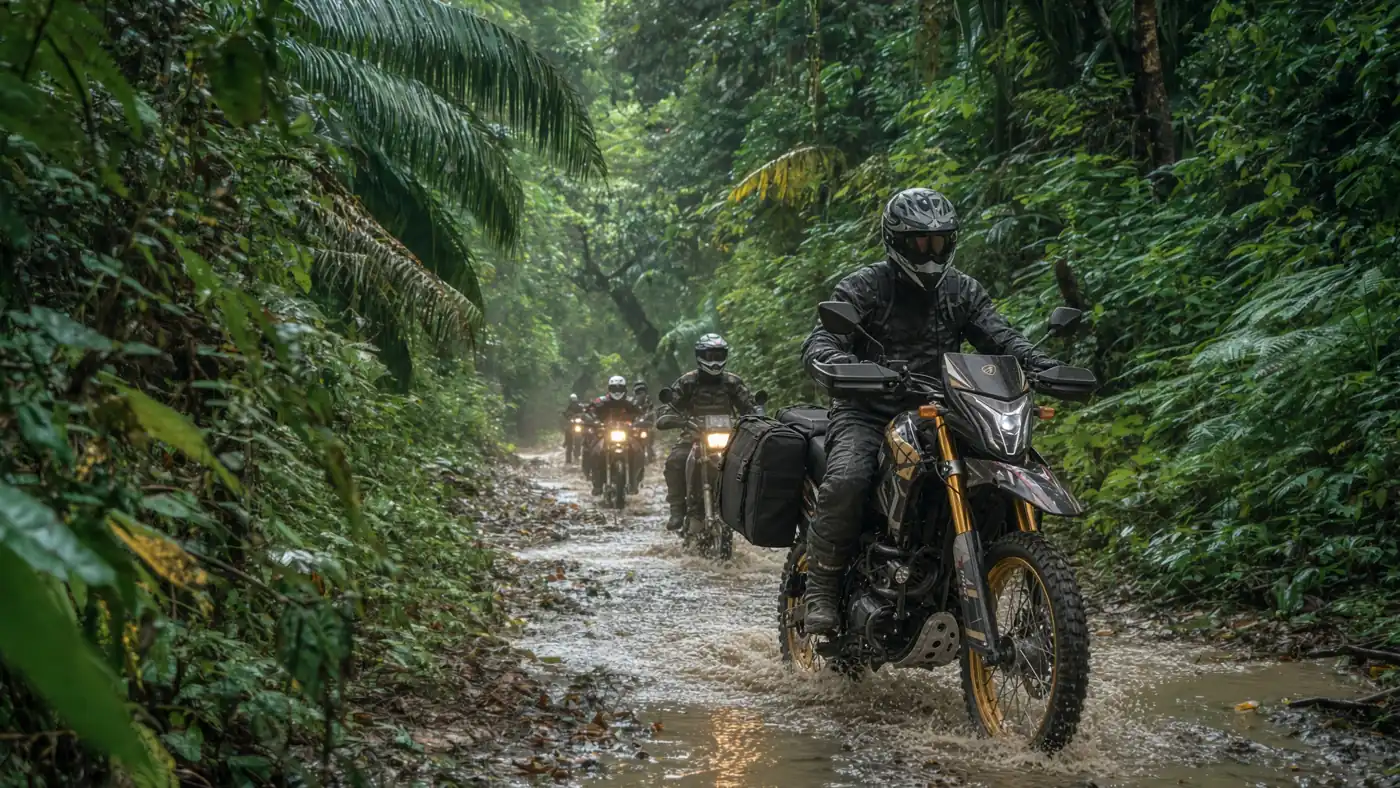
The best way to discover the Riviera Maya in depth: Cancún, Puerto Morelos, the Cenote Route, Playa del Carmen, Akumal, Tulum, Cobá, Sian Ka'an, Valladolid and Chichén Itzá. The perfect mix of good asphalt, jungle stretches and back roads.
approx. 600-700 km · asphalt + jungle
 Seven days
Extreme Maya Jungle
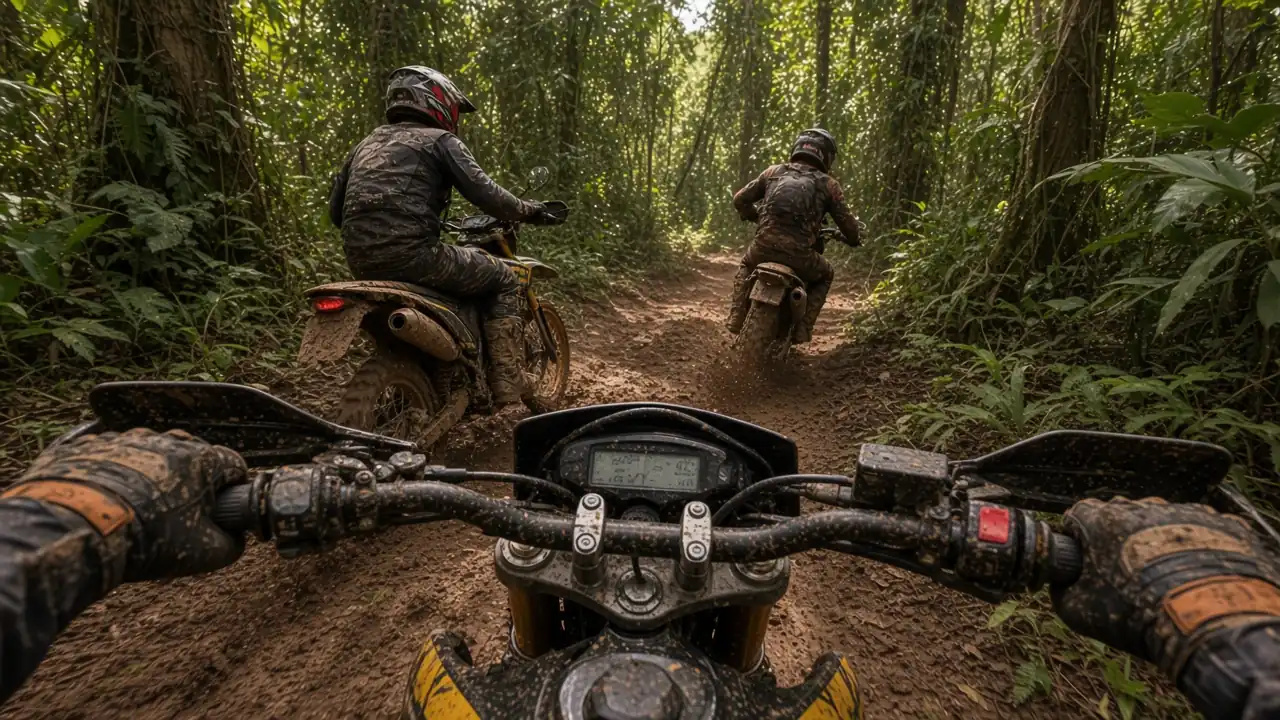
A loop from Cancún built around dirt roads, trails and jungle: Quintana Roo → Campeche → Chiapas → Tabasco and back through Yucatán. Remote Mayan ruins, the Lacandon Jungle and turquoise waterfalls.
~1,600-1,800 km · 60-80% dirt